The Simple 50/30/20 Budgeting Rule Explained
| A straightforward guide to the popular budgeting framework designed for simplicity and effectiveness.
Ditch the Complex Spreadsheets
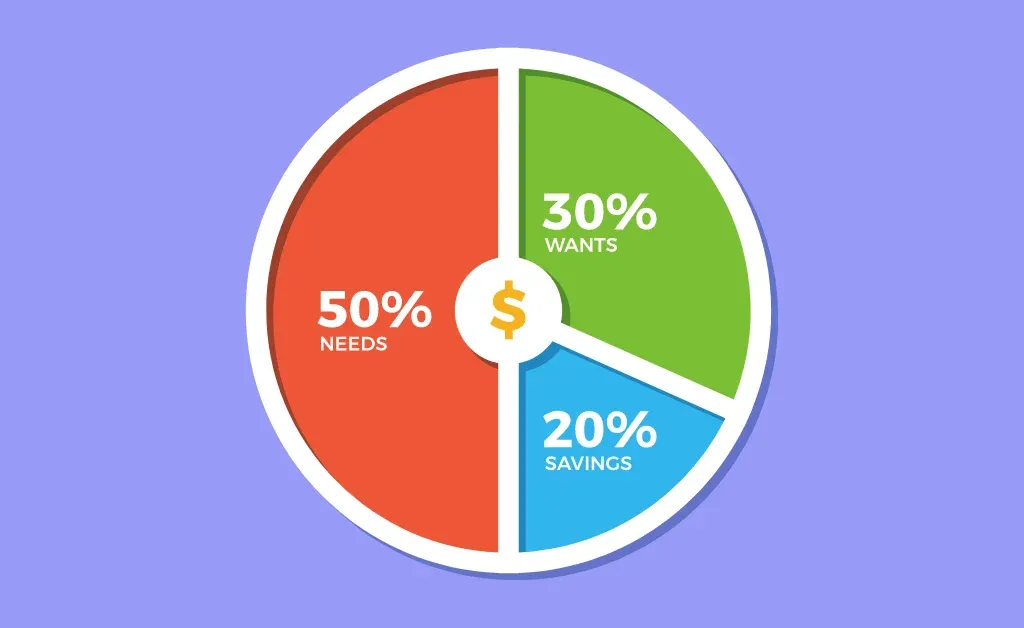
Budgeting often feels overwhelming, involving meticulous tracking and rigid categories. The 50/30/20 Rule, popularized by Senator Elizabeth Warren, is an elegant solution because it simplifies your spending into three main buckets based on your after-tax income.
The Three Buckets
- 50% Needs: Essential expenses you cannot live without.
- Examples: Rent/Mortgage, Groceries, Utilities, Minimum loan payments, Insurance.
- 30% Wants: Non-essential items that improve your quality of life.
- Examples: Dining out, Streaming subscriptions, Travel/Vacations, Hobbies, New clothes.
- 20% Savings & Debt Repayment: Future-focused financial security.
- Examples: Emergency Fund contributions, Retirement investments (401k/IRA), Extra payments towards high-interest debt (e.g., credit cards).
Making it Work
The beauty of the 50/30/20 method is its flexibility. If your needs are currently high (e.g., living in a high-cost area), you might temporarily adjust the ‘Wants’ category down to 20% to prioritize the 20% savings.
The goal isn’t perfection; it’s balance. By ensuring 20% of your income is always dedicated to your future, you build a strong financial foundation without feeling overly restricted today.