Understanding Quantum Computing: Beyond the Binary
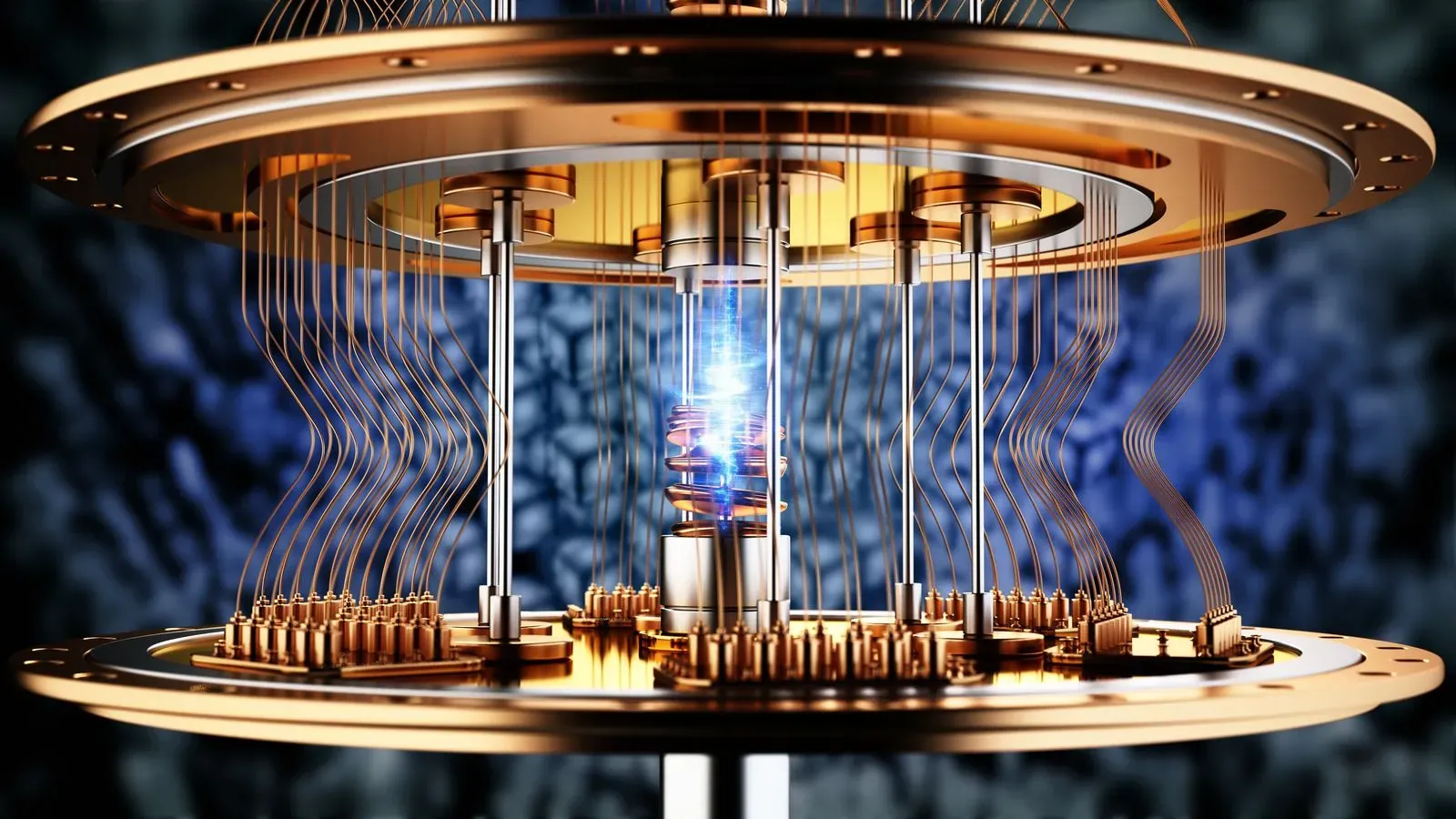
| A simplified breakdown of qubits, superposition, and entanglement for the non-physicist.
The Difference Between Bits and Qubits
Traditional computers rely on bits which store information as a 1 or a 0—a simple binary state.
Quantum computers use qubits. A qubit, thanks to quantum mechanics, can exist in a state of superposition, meaning it can be a 1, a 0, and both at the same time. Imagine flipping a coin: a classical bit is either heads or tails, but a qubit is spinning in the air.
The Power of Entanglement
The real exponential power comes from entanglement. When two qubits are entangled, they are linked in such a way that measuring the state of one instantaneously tells you the state of the other, regardless of the distance between them.
This interconnectedness allows quantum computers to perform an immense number of calculations simultaneously, exploring all possible solutions to a problem at once.
While classical computers check solutions sequentially, a quantum computer explores all solutions in parallel, massively speeding up computation for certain, specific problems.
Real-World Applications
Quantum computing won’t replace your laptop, but it will revolutionize fields like drug discovery (simulating molecular interactions), financial modeling (complex optimization), and cryptography (breaking current encryption standards).